
Art Expo New York Still Knows How to Bring the World Together
Walking into Art Expo New York with only about two hours left before closing honestly felt a little chaotic at first. You do that thing where you immediately start mentally calculating how fast you can walk through aisles without looking like you’re speed running contemporary art. But even in a limited amount of time, the scale of the fair was hard to ignore.
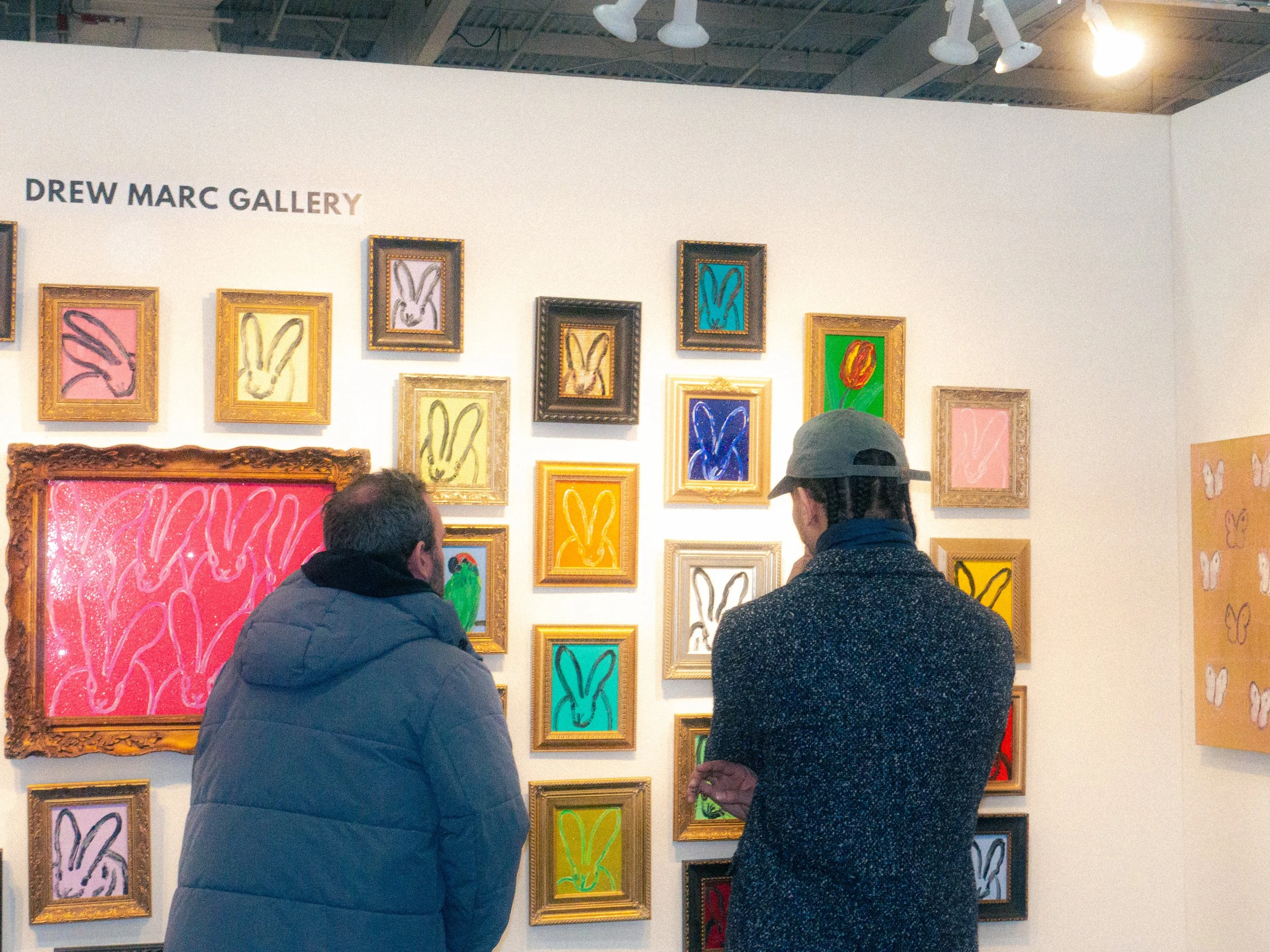
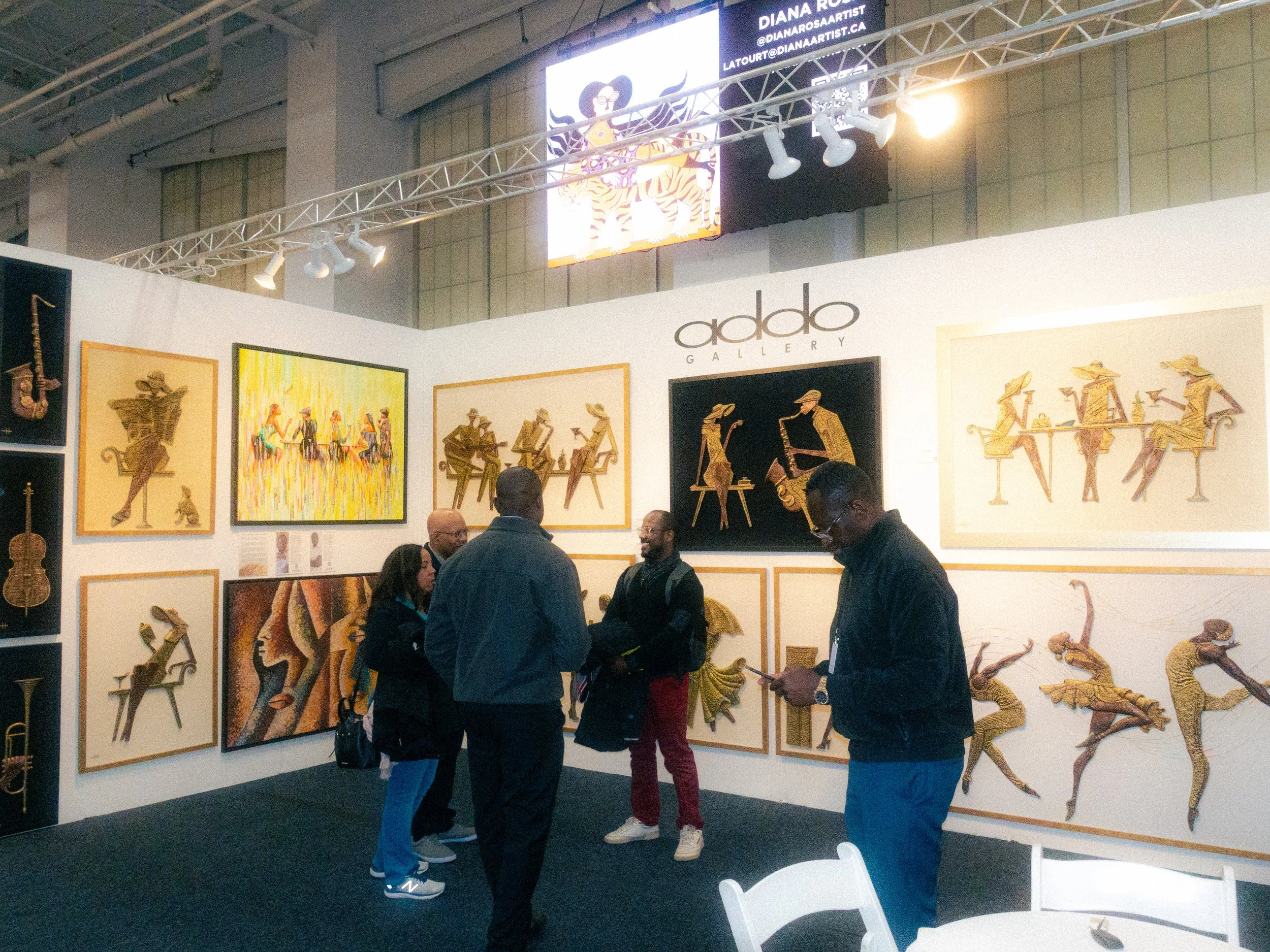
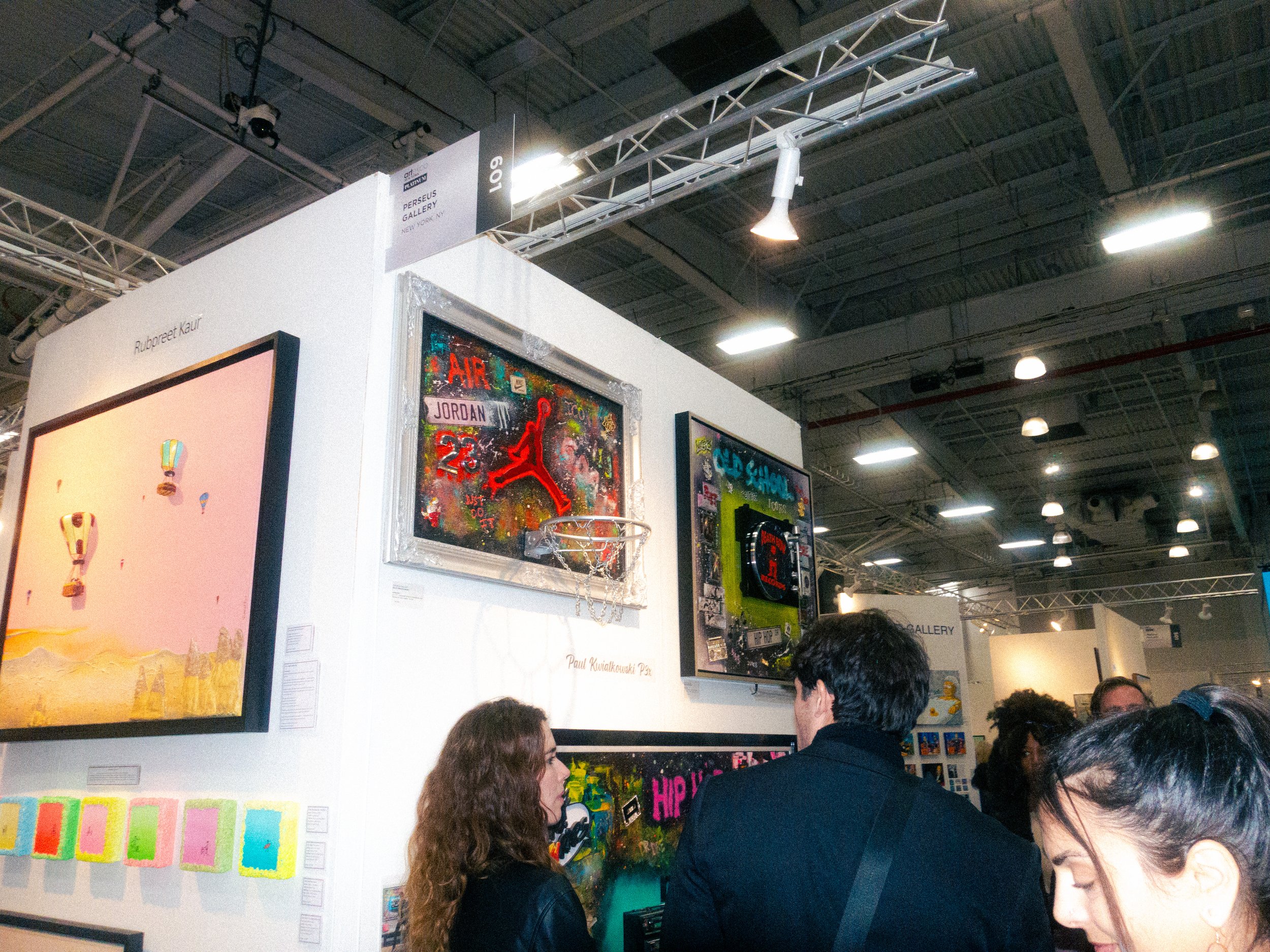
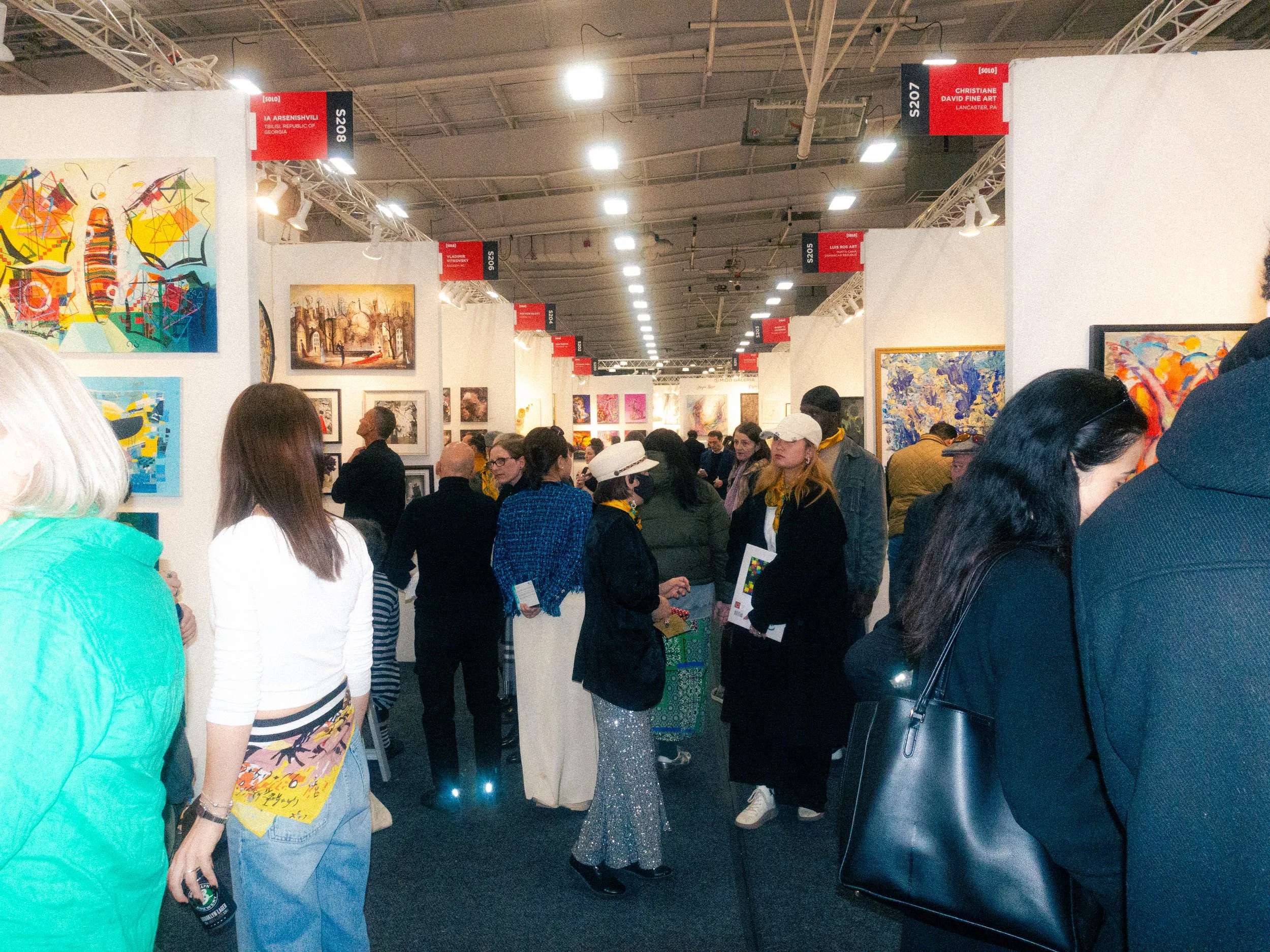
Held at Pier 36 in Manhattan, the venue itself is massive — large enough to house hundreds of galleries, independent artists, publishers, and curators all operating within their own little universes simultaneously. Everywhere you turned, there was another booth pulling you in for a completely different reason. Some spaces felt polished and museum-like, while others carried the energy of artists simply wanting to share something personal with strangers passing through the city.
That contrast is part of what makes these fairs interesting.
Artexpo New York has been around for more than 45 years, making it one of the longest-running contemporary art fairs in the city. Organized by Redwood Art Group, the fair has showcased thousands of artists throughout its history and continues attracting exhibitors and visitors from across the globe. According to the organizers, their fairs collectively have presented over 11,500 artists and draw nearly 100,000 attendees annually across events. It makes sense once you’re actually inside the building and realize just how international the environment feels.
That international presence was probably the strongest part of the night for me personally.
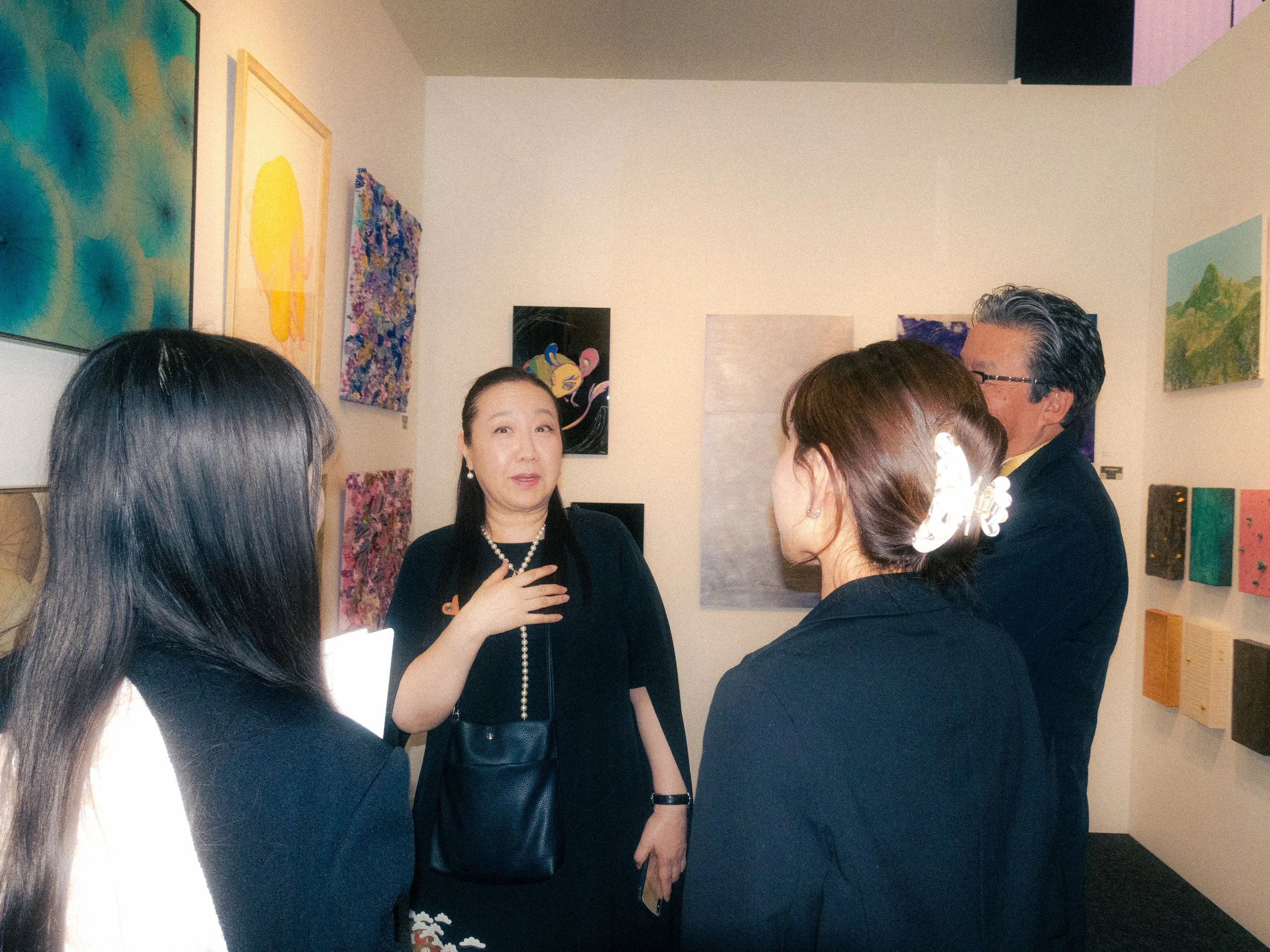
I ended up interviewing two Asian artists during my visit, and both conversations reminded me how art fairs can collapse distance almost instantly. One minute you’re in Manhattan eating overpriced venue snacks and trying not to look socially awkward holding camera gear, and the next minute you’re hearing somebody explain years of creative practice, cultural influence, and personal experience from the other side of the world.
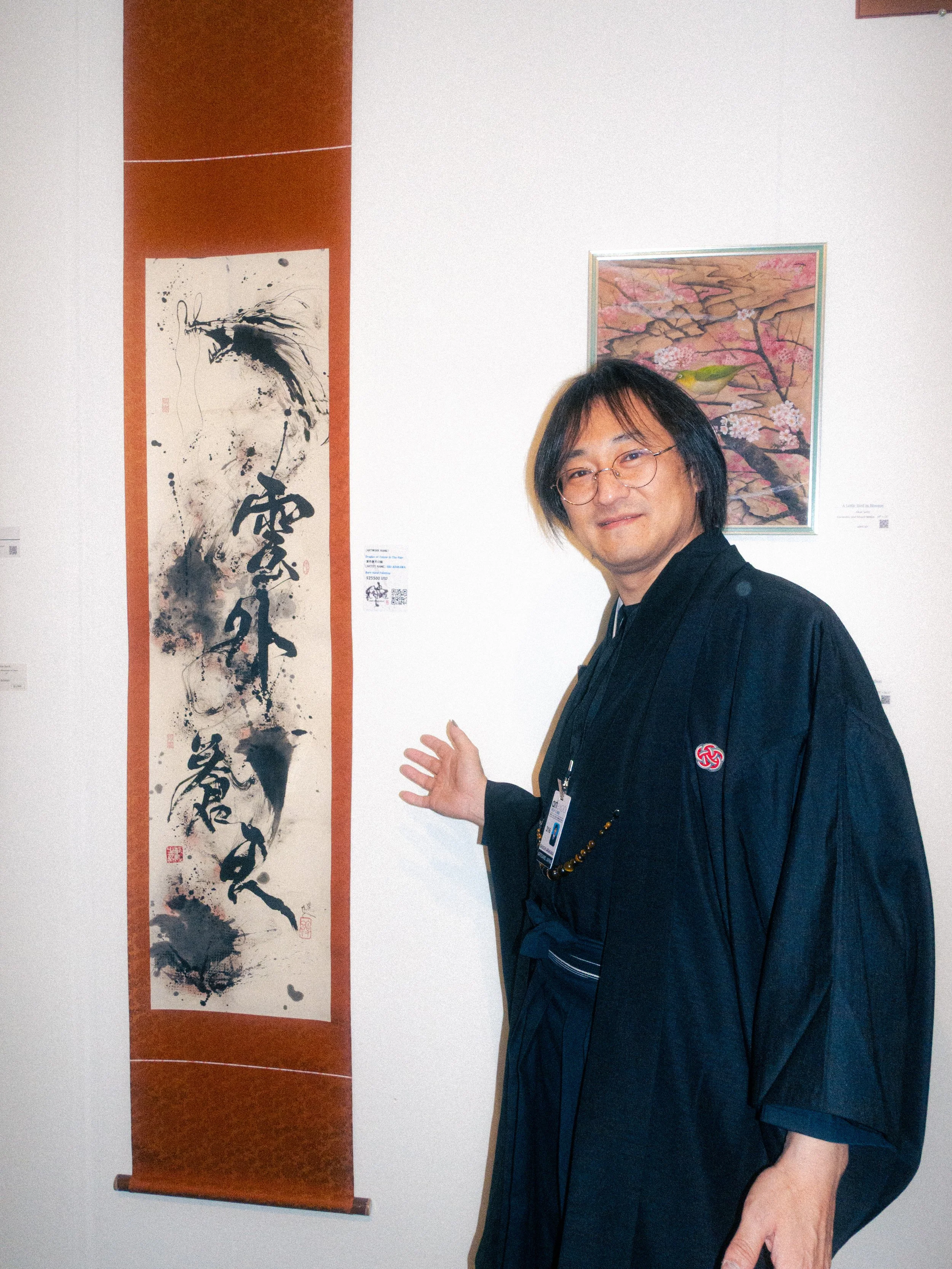
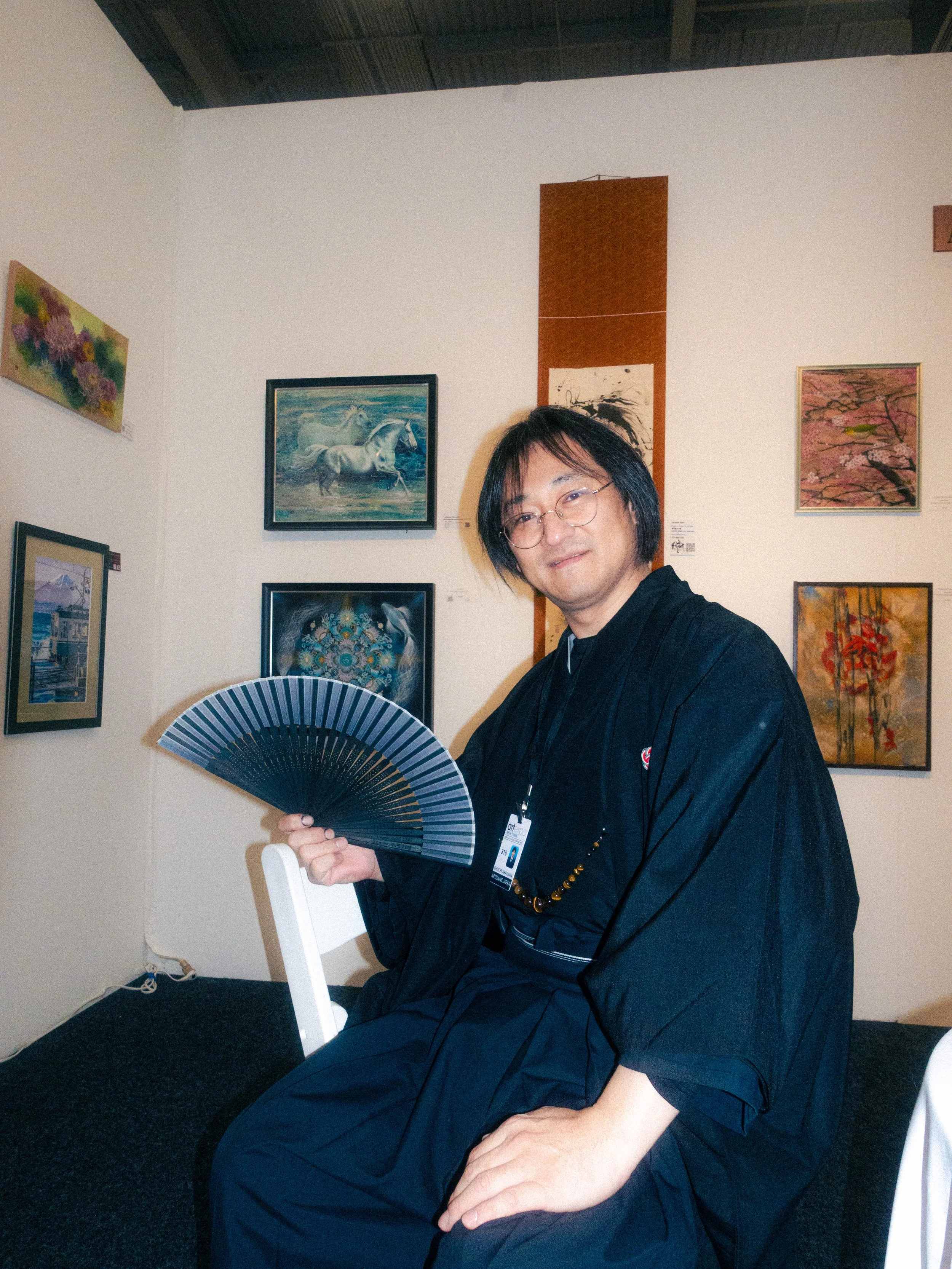
Japanese artist Shu Arakawa brings together traditional Japanese calligraphy, and contemporary fashion influences in work centered around cultural preservation and global connection. Speaking during his appearance at Artexpo New York, Arakawa explained that much of his practice is rooted in keeping traditional Japanese art forms alive for newer generations and international audiences.
“I would like to spread more Japanese artwork in the world.”
Arakawa emphasized that his creative interests stretch far beyond one medium. Inspired equally by art and fashion, he spoke about wanting to explore “all the possibilities” of his practice through future collaborations, products, and exhibitions.
“I’ve many possibilities… I would like to do all the possibilities of the artwork.”
After recently arriving in New York to exhibit at the fair, the artist shared that he is currently preparing for upcoming solo exhibitions and expanding his work into new product-based releases with the goal of reaching a wider global audience.
“I’m going to have my solo exhibitions… and spread to whole world. It’s my dream.”
Looking ahead, Arakawa also expressed ambitions of building a larger international creative presence, including organizing major events in cities like New York and assembling a broader collaborative art team.
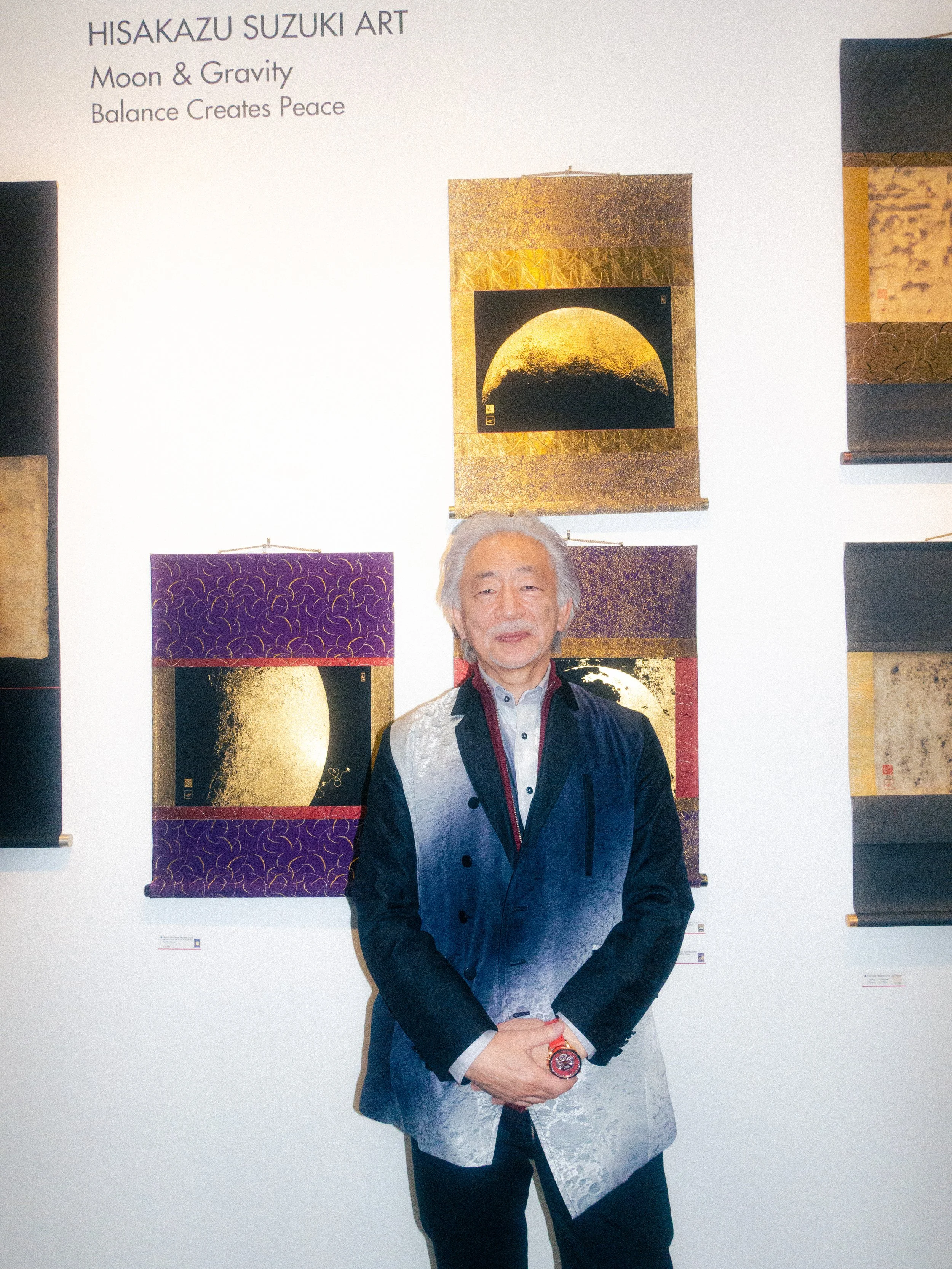
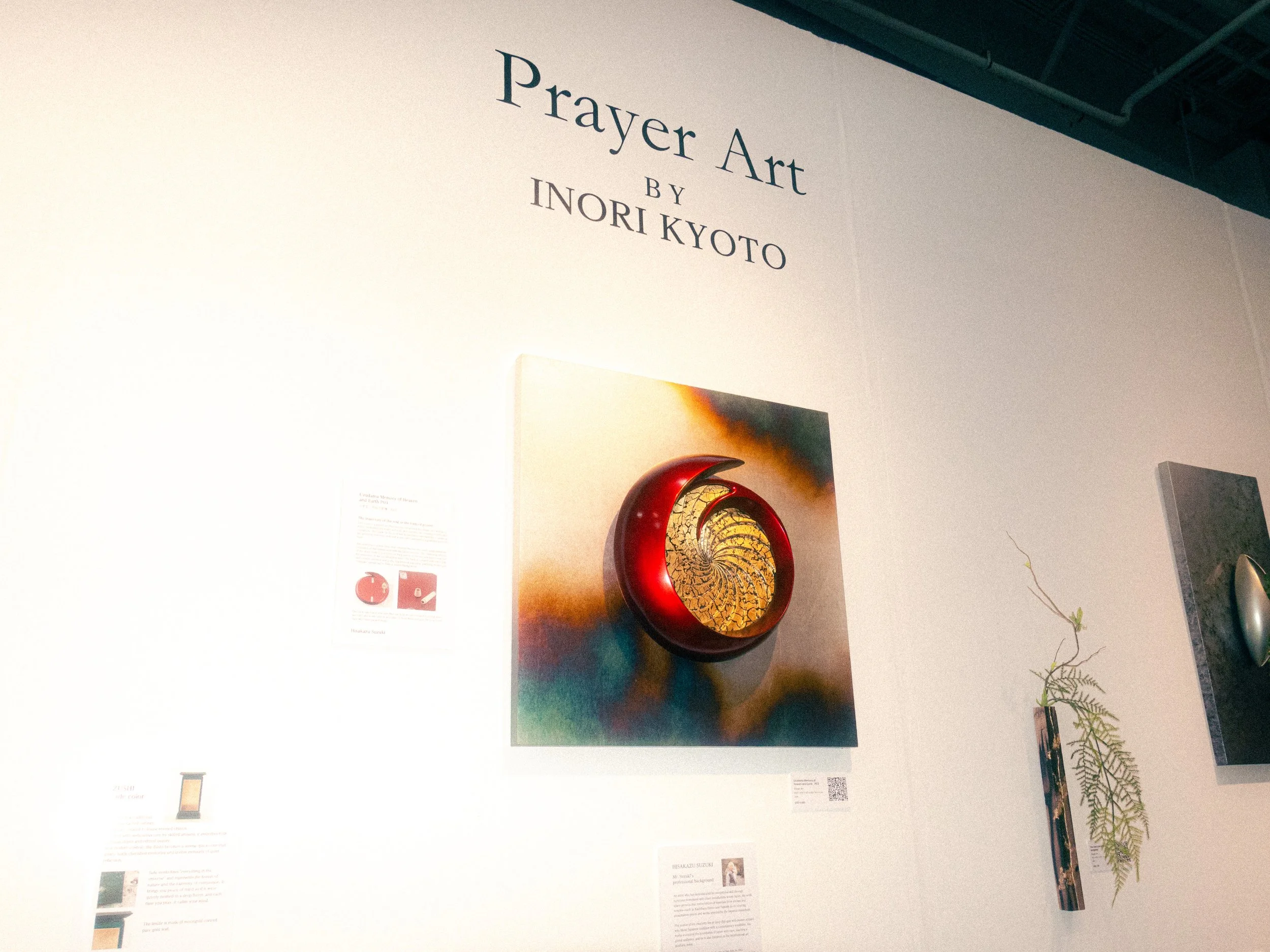
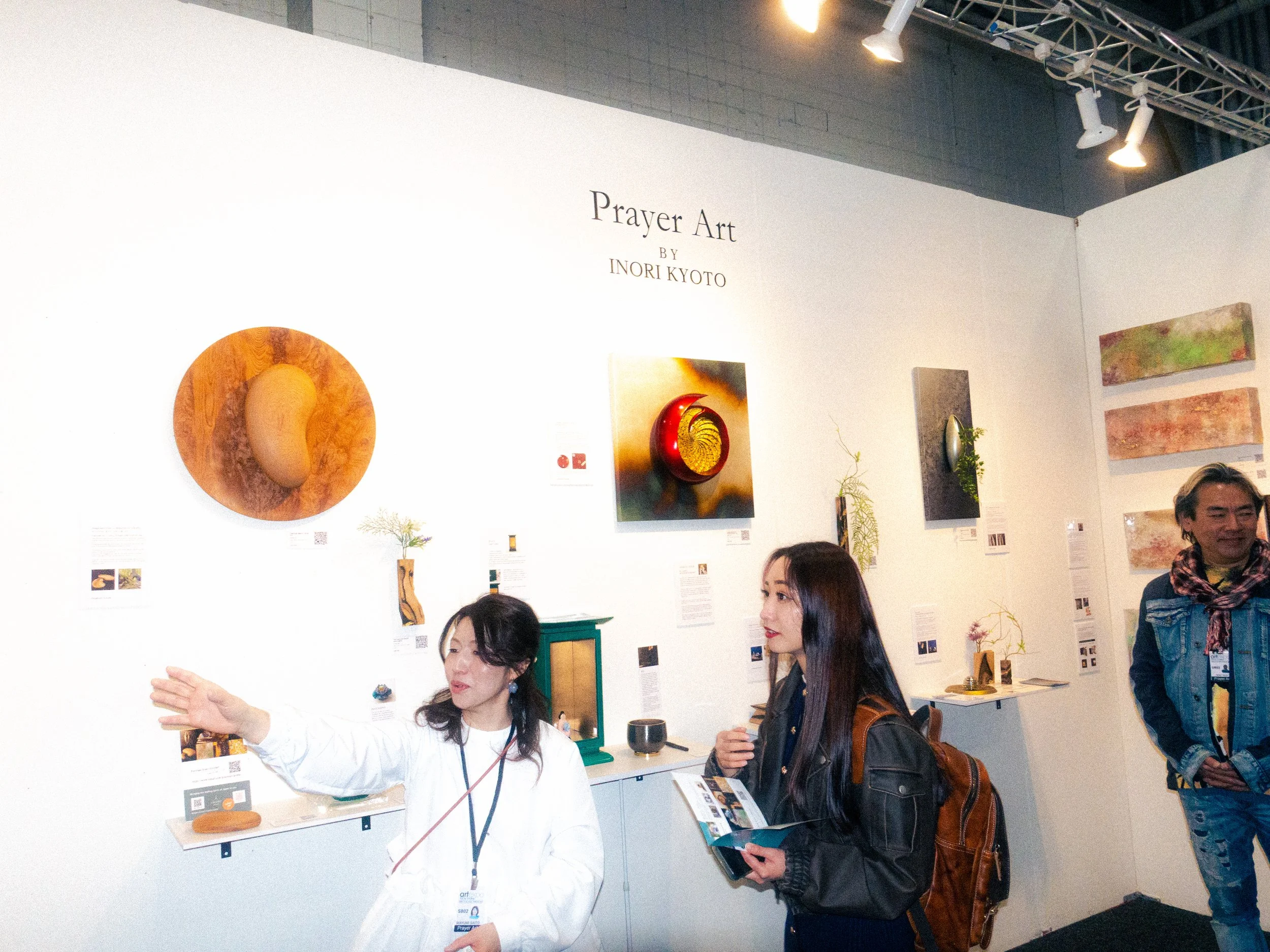
Tokyo-based artist Hisakazu Suzuki draws much of his inspiration from nature, describing creativity as something that “falls from heaven.” With nearly five decades dedicated to his practice, Suzuki has spent 48 years developing his artistic voice and exhibiting his work internationally.
Speaking during his presentation at Artexpo New York, Suzuki reflected on the importance of openness, movement, and human connection within the contemporary art world.
“Inspiration just falls from heaven.”
Rooted in observations of nature and organic beauty, Suzuki’s work reflects a deeply intuitive approach to creation, one shaped by decades of discipline and experience.
When asked what advice he would offer emerging artists hoping to exhibit at major fairs and expos, Suzuki emphasized the value of community and networking above all else.
“It’s important to meet a lot of different people.. move around, meet people at these types of expos.”
For Suzuki, international art fairs are not only platforms for visibility, but opportunities to build meaningful creative relationships and expand one’s artistic world through direct human connection.
That’s the beautiful part of New York art fairs — you genuinely never know who you’re going to run into.
Sometimes it’s artists traveling internationally to represent their work for the first time in the city. Sometimes it’s familiar faces you haven’t seen since another opening months ago. Sometimes it’s somebody introducing themselves while you’re halfway through staring at a painting trying to look intellectually productive. The social unpredictability becomes part of the experience itself.
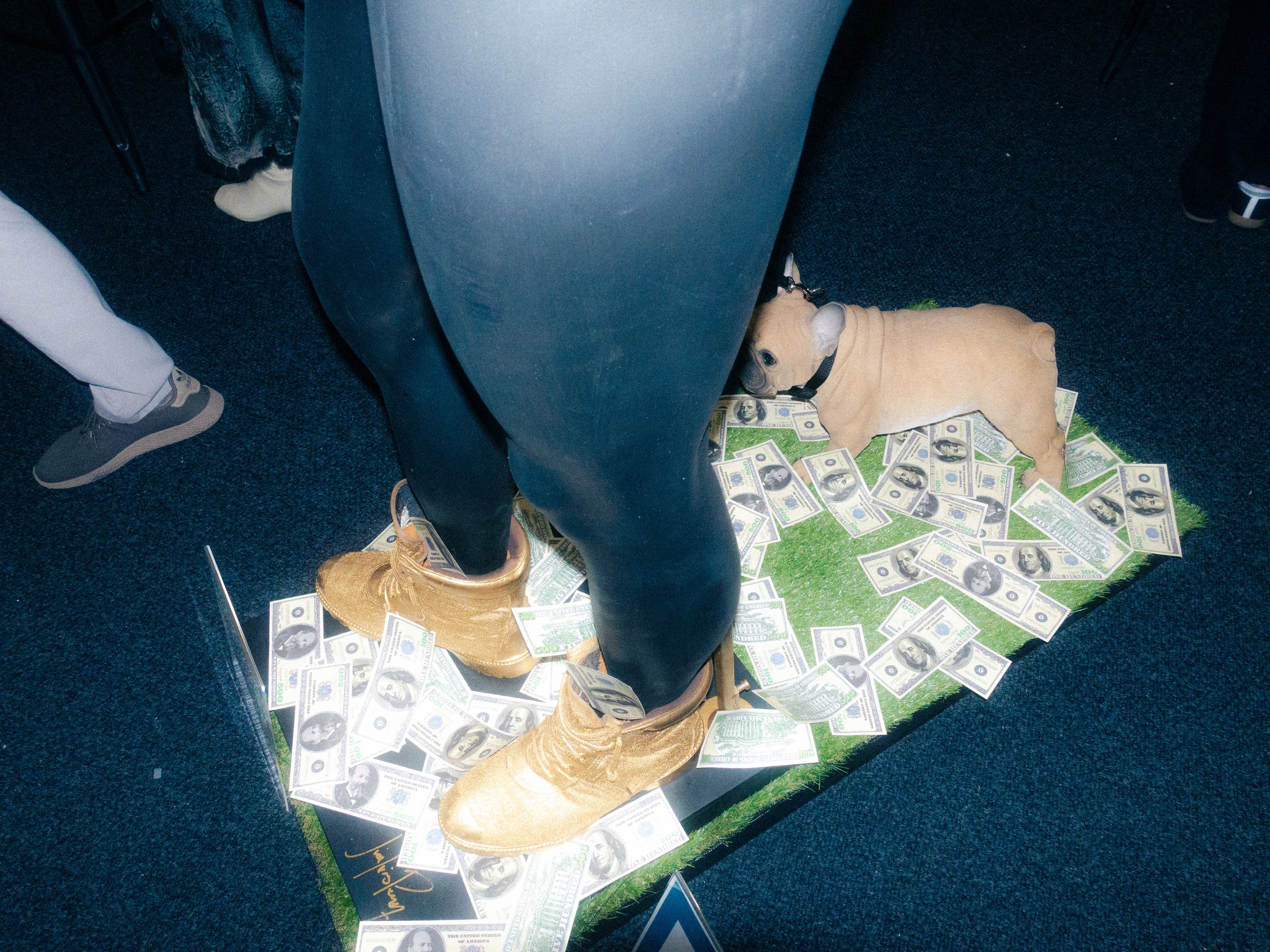
The curation throughout the fair felt worthwhile to explore because there wasn’t just one dominant style or trend overtaking everything. Booths ranged from traditional fine art approaches to more contemporary mixed media works, photography, sculpture, and experimental visual presentations. Even moving quickly through the aisles, there were moments where certain works forced you to stop entirely and recalibrate your attention.
And honestly, arriving later in the evening may have made the experience better.
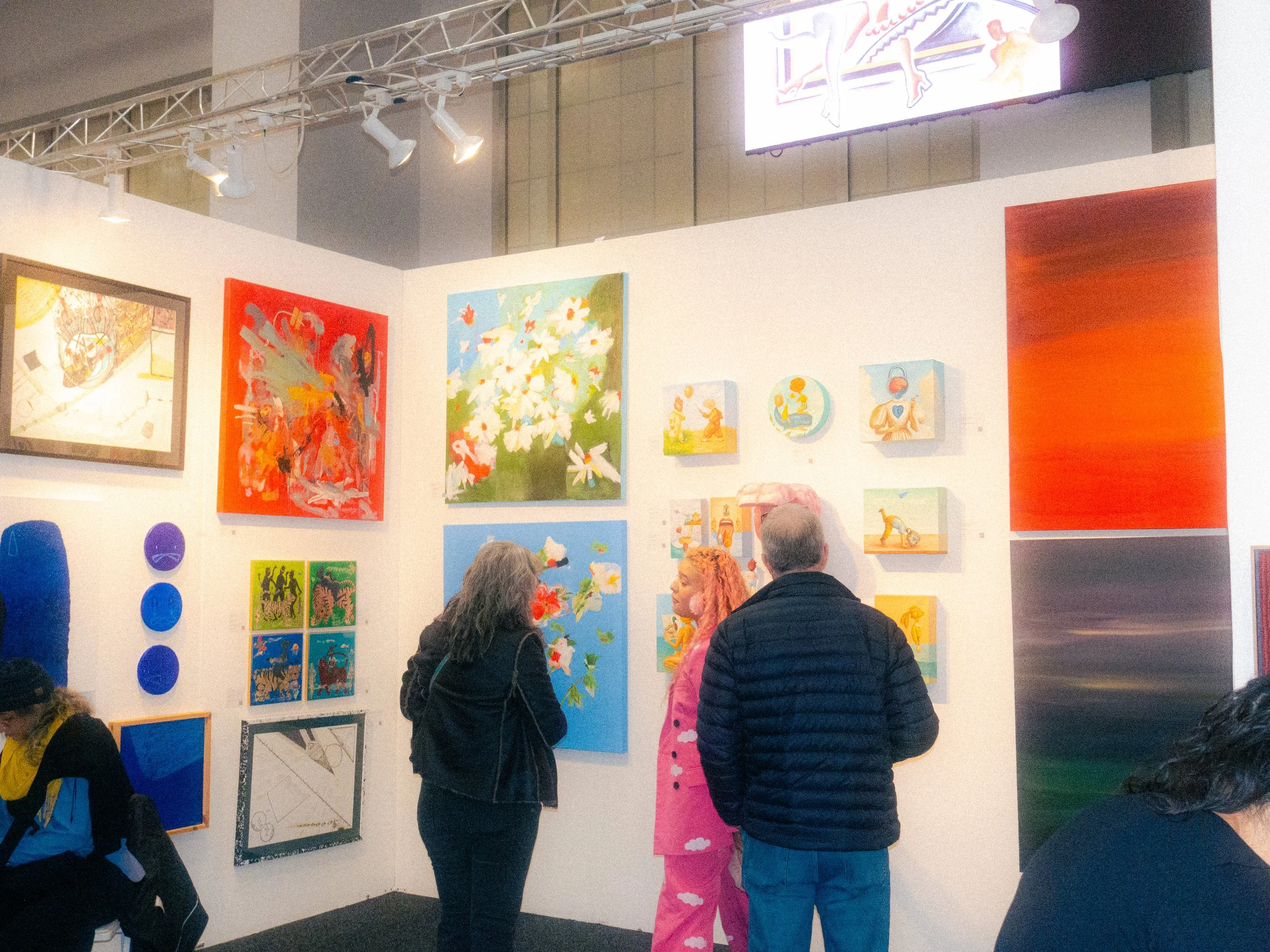
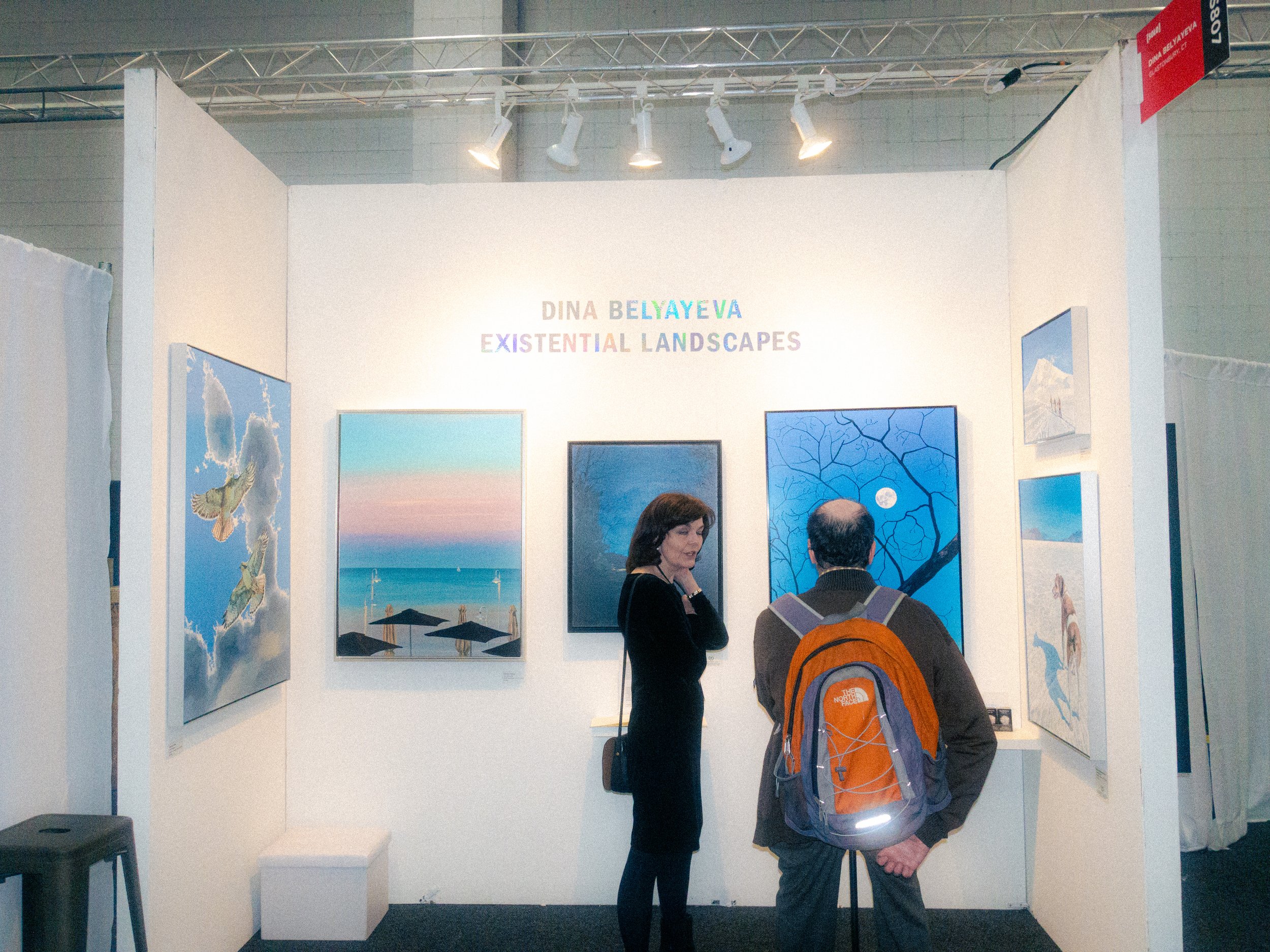
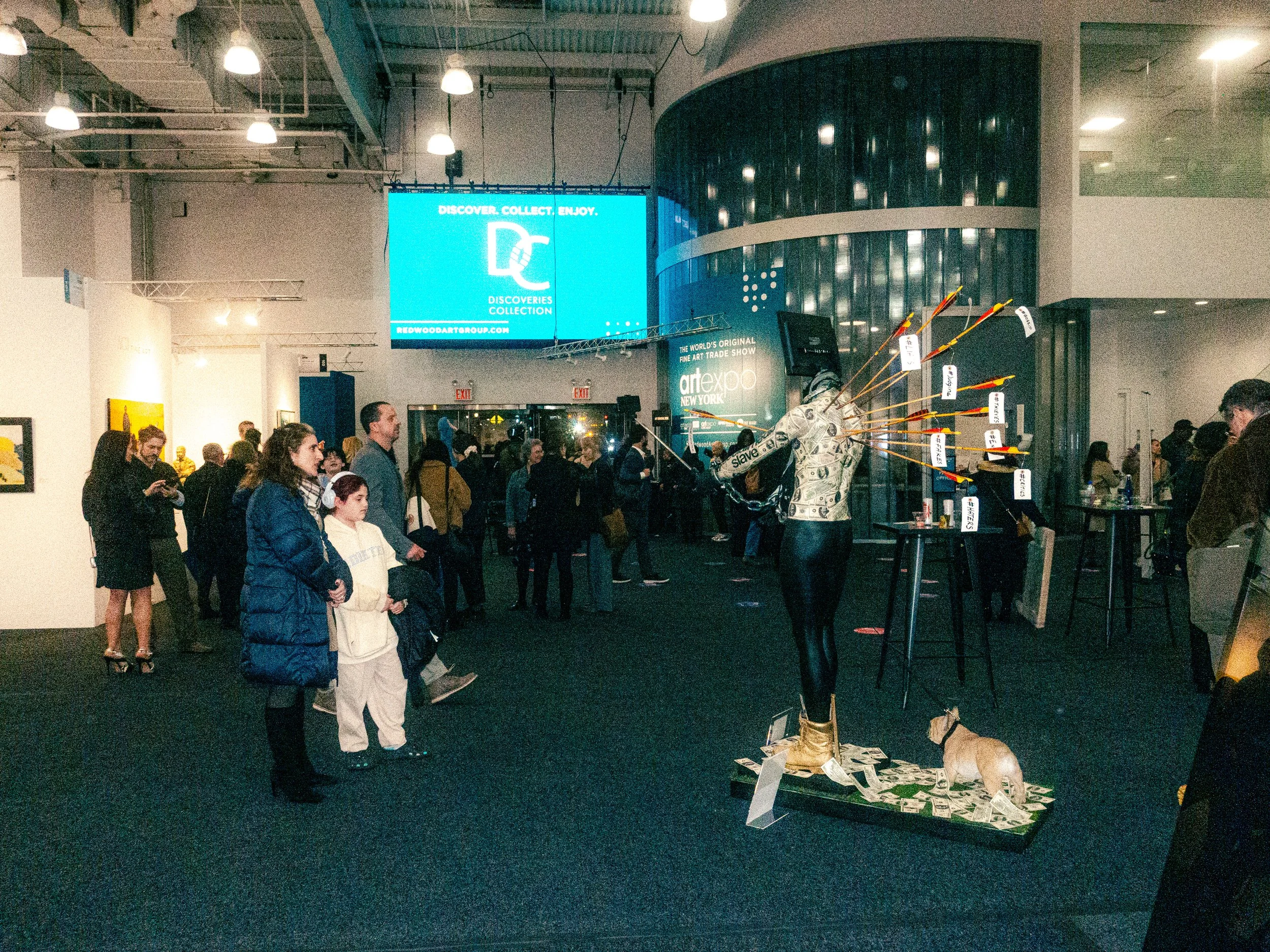
There’s a different atmosphere once the fair starts winding down. Conversations become less performative, people loosen up a little, and the environment feels more human. You start catching small moments between artists, gallerists, collectors, and visitors that probably get lost earlier in the day when everything feels more transactional.
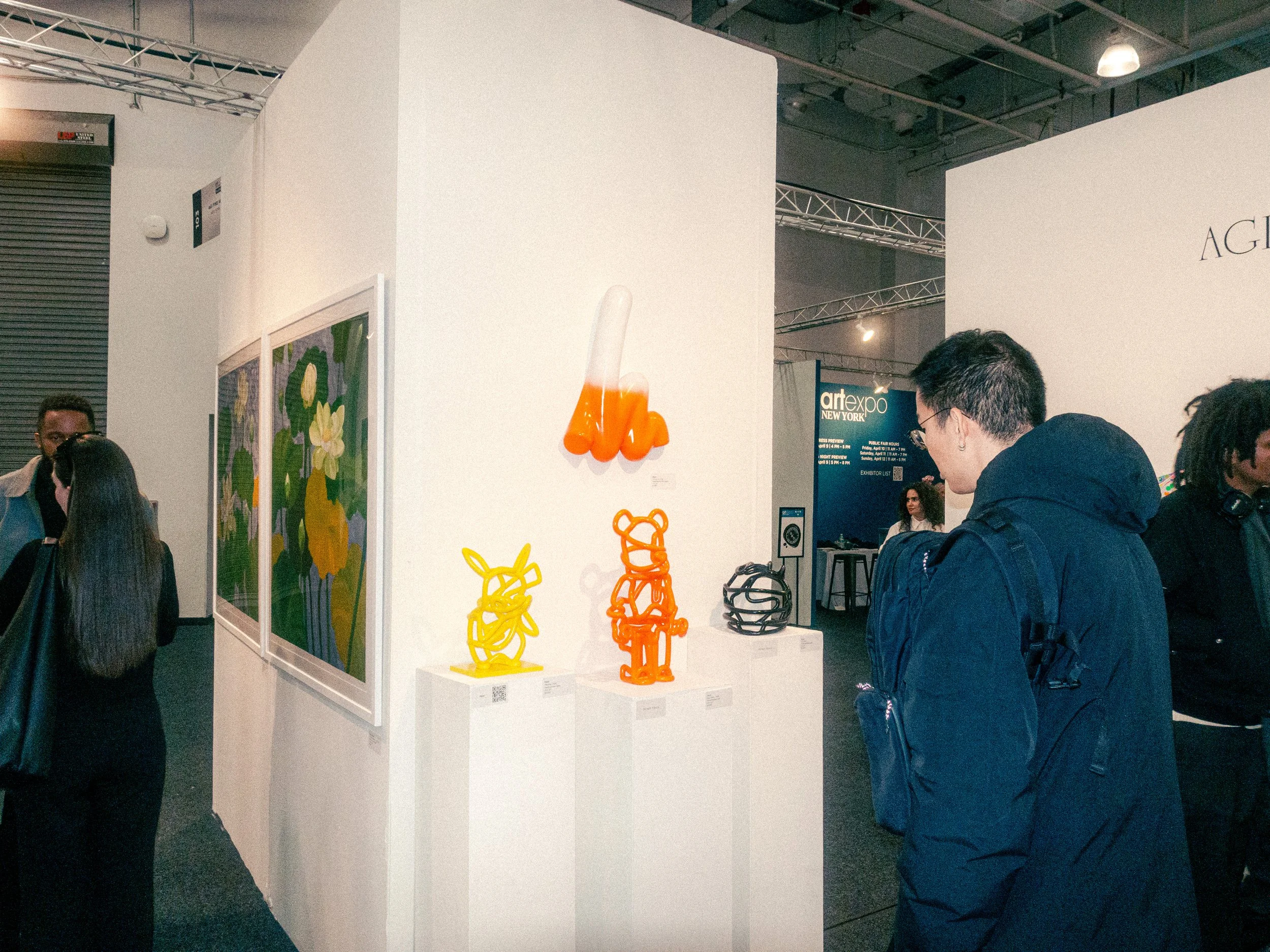
Some of my favorite memories from the night weren’t even specific artworks, but rather the feeling of drifting through the venue while hearing different languages around me, seeing artists proudly standing beside their work, and randomly reconnecting with people within New York’s endlessly overlapping creative scene.
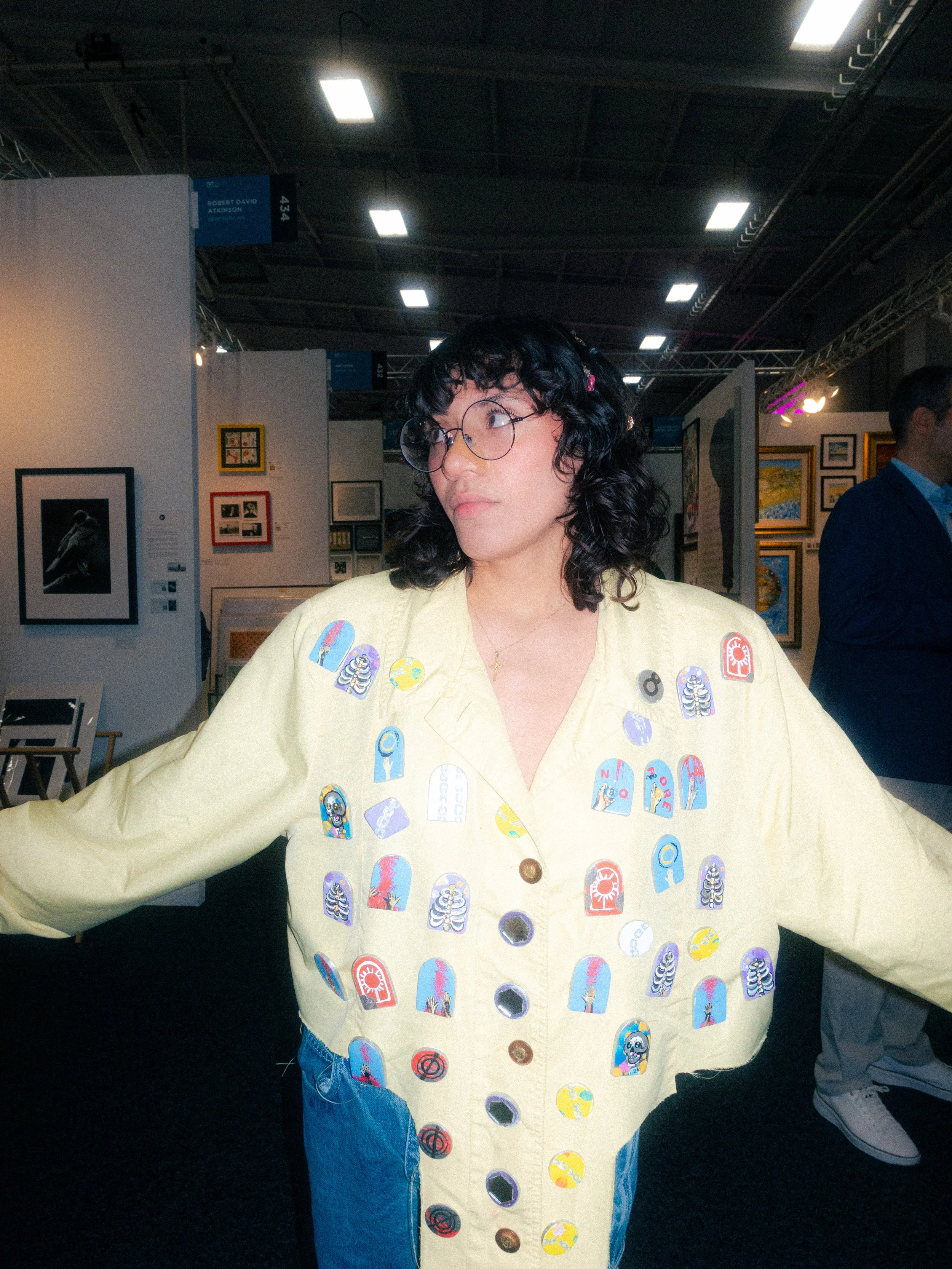
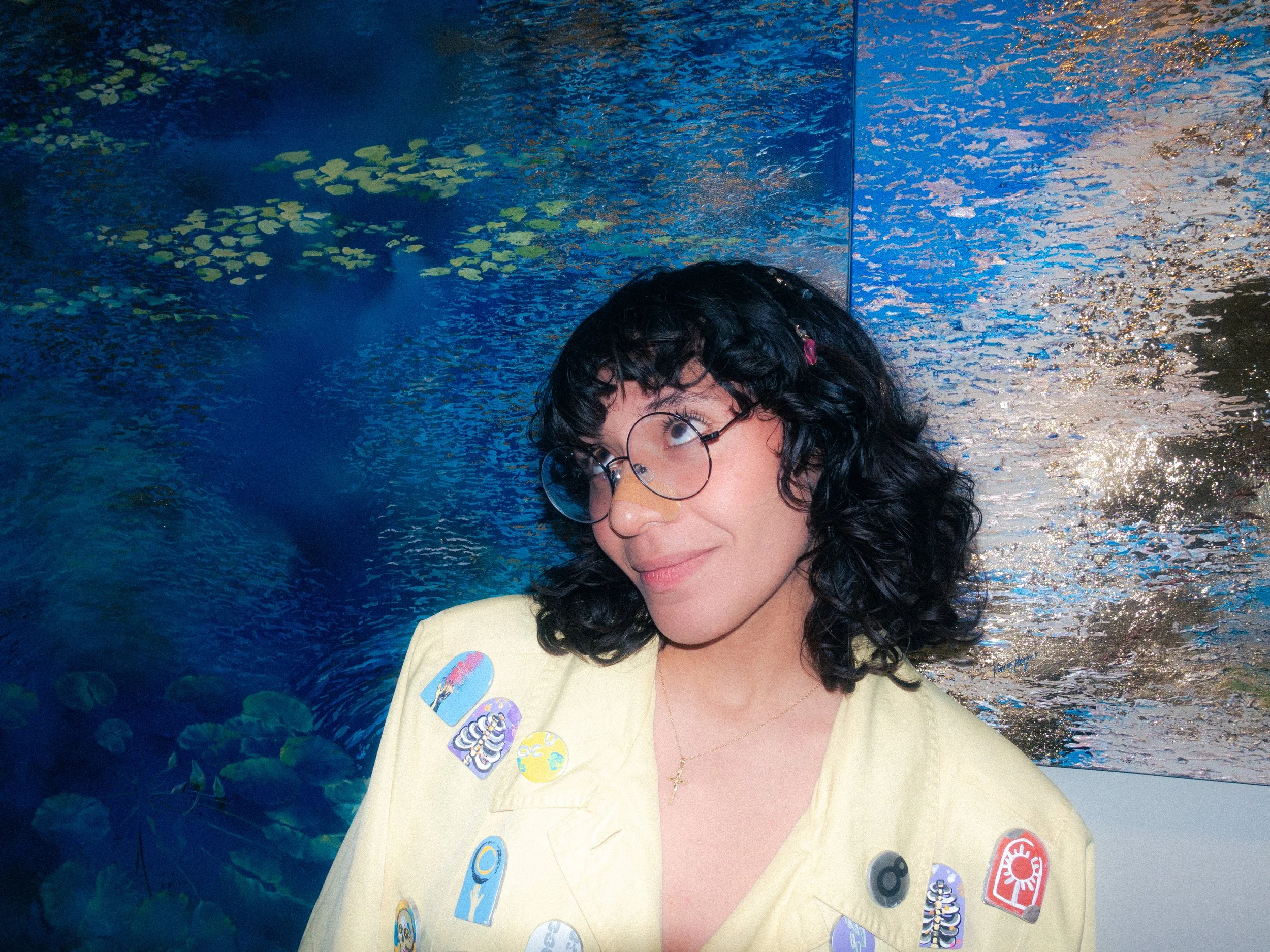
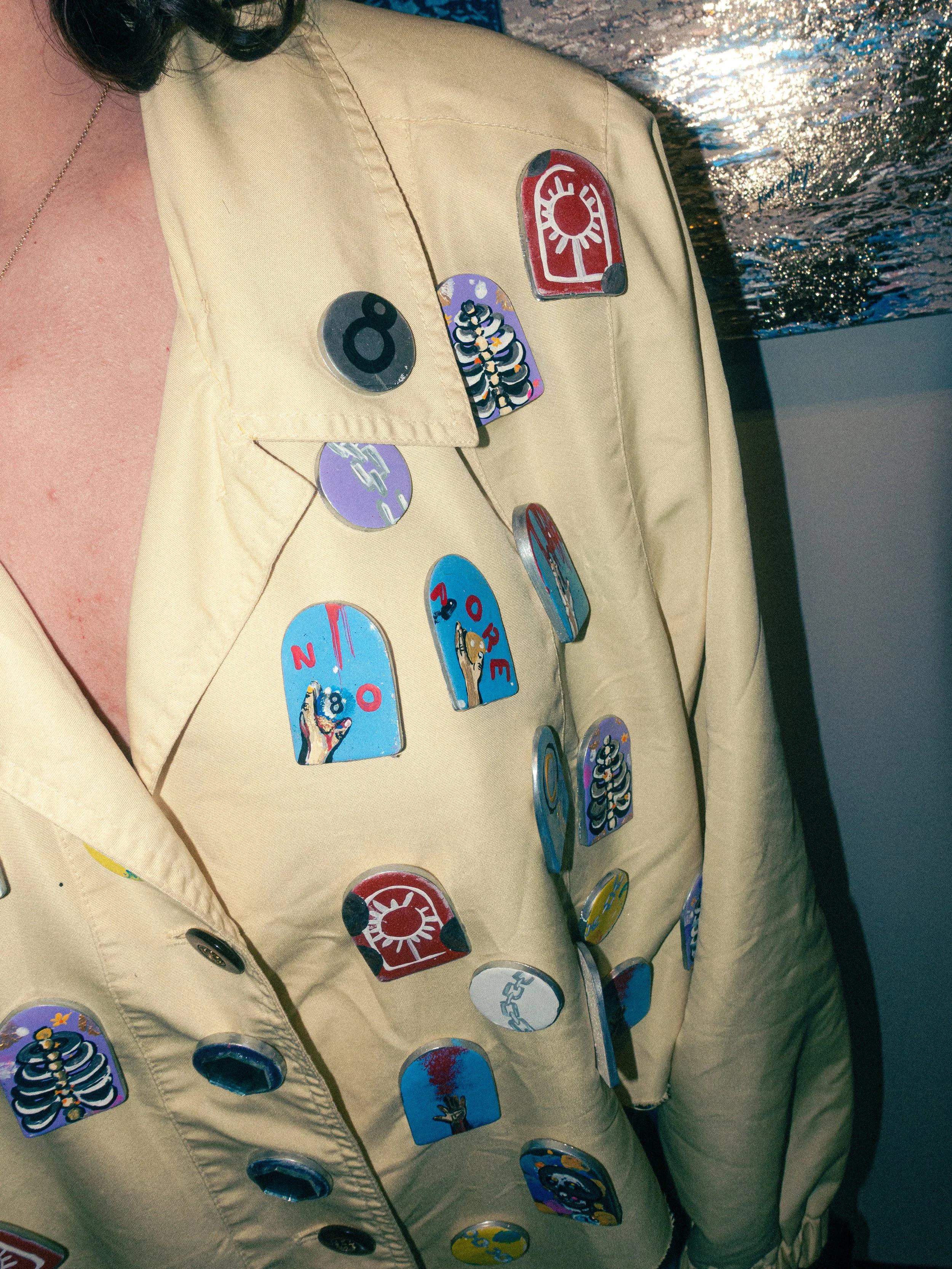
Blu Day, CT/NY based multidisciplinary artist.
That’s what Artexpo New York still succeeds at after all these years. Beyond the scale and reputation, it creates an environment where international artists, local creatives, collectors, and curious visitors can all temporarily exist in the same space together.
Even if you only have two hours left before closing.
Photo & writing by Josh Sauceda.